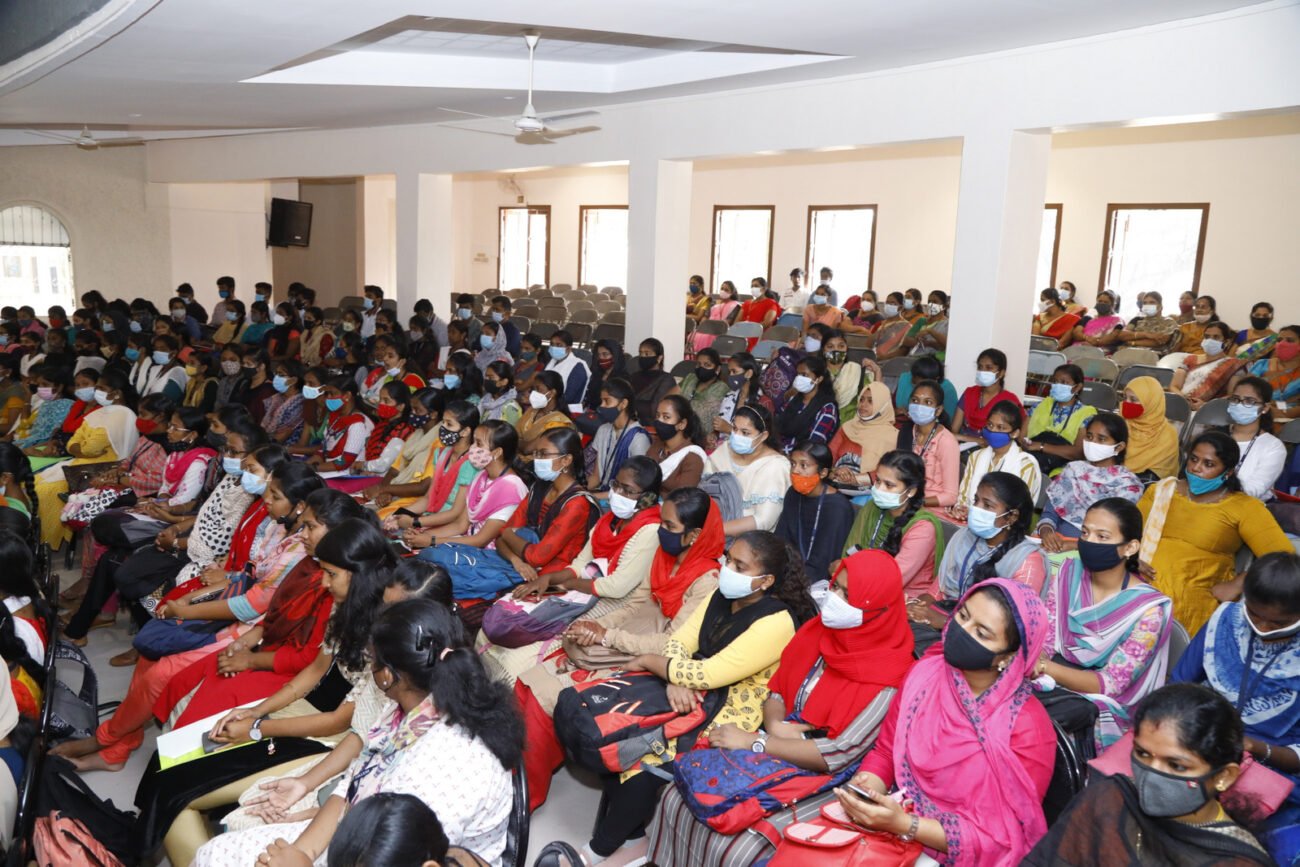
In today’s rapidly evolving world, skill development has become more important than ever. Technology, automation, and digital transformation are reshaping industries, creating new job roles and changing the nature of existing ones. To stay relevant and competitive, individuals need to continuously upgrade their skills rather than relying solely on traditional academic qualifications. Skill development bridges the gap between education and employment, preparing people for real-world challenges.
A key focus of modern skill development is digital literacy. From basic computer knowledge to advanced data analysis, coding, and artificial intelligence tools, digital skills are now essential across almost every field. Even non-technical careers increasingly require comfort with digital platforms, online collaboration, and remote work tools. Developing these skills allows individuals to tap into a wider range of career opportunities, including freelancing and online entrepreneurship.
Soft skills are gaining equal importance alongside technical abilities. Communication, teamwork, problem-solving, time management, and emotional intelligence are highly valued by employers. As workplaces become more collaborative and diverse, the ability to work well with others and adapt to new environments matters as much as technical expertise. People with strong soft skills are often better leaders and more effective professionals.
Governments, educational institutions, and private organizations are increasingly promoting skill development initiatives. Vocational training, online courses, workshops, and certification programs have become more accessible, allowing learners to upskill from anywhere. Many platforms offer industry-recognized certifications, helping individuals showcase their capabilities to employers and improve their job readiness.
Youth and fresh graduates benefit significantly from skill development programs. Instead of struggling with the “experience required” barrier, they can build portfolios, gain hands-on training, and participate in internships or apprenticeships. Practical exposure helps them understand workplace expectations and apply theoretical knowledge effectively. Skill-based learning also encourages creativity and innovation among young minds.
For working professionals, continuous learning has become a necessity rather than an option. As industries adopt new tools and processes, professionals must reskill or upskill to keep pace with change. Whether shifting careers, aiming for promotion, or adapting to new technologies, ongoing skill development keeps careers flexible and future-ready. Lifelong learning is now a key ingredient for long-term success.
In conclusion, skill development is a powerful driver of personal growth, employability, and national progress. It enhances confidence, opens new career paths, and prepares individuals for the future of work. By embracing continuous learning and seeking opportunities to upgrade both technical and soft skills, individuals can thrive in an increasingly competitive and dynamic global environment.
