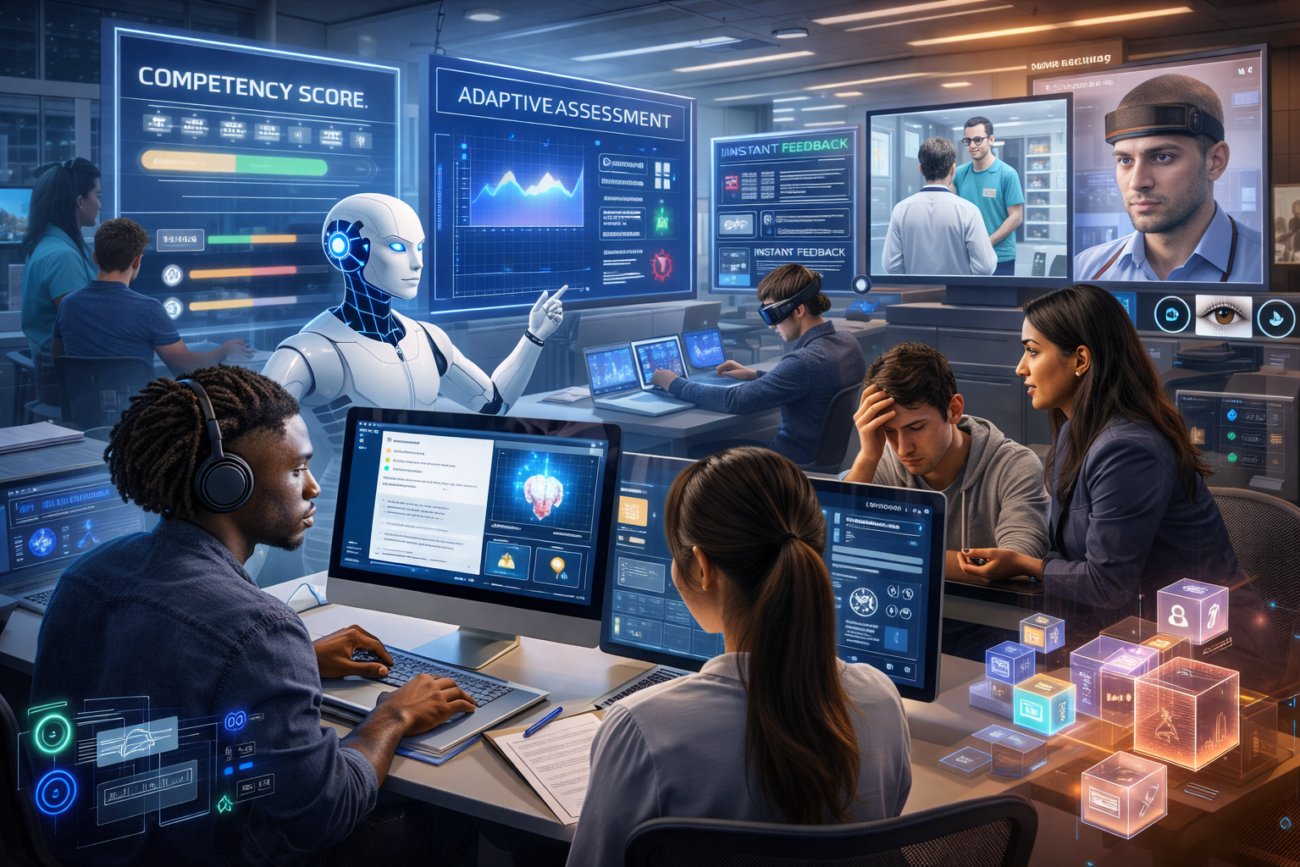
Exams and results processes are undergoing seismic shifts in 2026, with AI transforming traditional testing from rigid, high-stakes events into continuous, adaptive evaluations of real-world competency. Digital platforms now generate personalized question banks that adjust difficulty based on student responses, ensuring every learner operates at their optimal challenge level while minimizing rote memorization. This evolution prioritizes skills like critical thinking and problem-solving over recall, aligning assessments directly with workplace demands.
Gone are the days of waiting weeks for results; AI-driven grading delivers instant feedback on essays, code submissions, and multimedia projects with detailed improvement suggestions. Natural language processing models analyze not just accuracy but reasoning depth, creativity, and structural coherence, providing scores within seconds alongside tailored learning paths. Students receive dynamic dashboards tracking progress against personalized benchmarks, turning results into actionable roadmaps rather than final verdicts.
Remote proctoring has matured into seamless biometric verification systems that monitor eye movement, typing patterns, and cognitive load without invasive cameras. These tools flag anomalies like unusual hesitation or external aid usage in real time, maintaining integrity while respecting privacy through federated data processing. Institutions report 95% confidence in remote exam authenticity, enabling global access to high-stakes certifications without geographic barriers.
Micro-assessments embedded in daily learning apps are replacing semester-end crunches, with gamified challenges yielding stackable credentials verifiable via blockchain. Employers tap into these granular data streams to validate candidates’ applied skills, from data analytics proficiency to ethical decision-making under pressure. Results now appear as skill portfolios rather than GPA summaries, reshaping hiring from credential-chasing to competency-matching.
Adaptive testing algorithms predict performance trajectories mid-exam, recommending breaks or strategy shifts to maximize outcomes for neurodiverse learners. Mental health integration flags stress indicators, triggering counselor interventions or mindfulness modules without derailing the session. This holistic approach reduces exam anxiety by 40%, fostering equitable opportunities across diverse cognitive profiles.
Board exams and national assessments leverage VR simulations where students diagnose virtual patients, engineer prototypes, or negotiate scenarios, scored by AI against expert rubrics. Results incorporate peer reviews and self-reflections, creating multidimensional profiles that capture collaborative aptitude alongside technical mastery. Universities use these rich datasets for targeted admissions, prioritizing potential over standardized scores.
Equity gaps narrow as AI translation and accessibility layers make advanced exams available in 200+ languages with real-time accommodations for disabilities. Rural students in regions like Haryana access premium prep through subsidized hybrid platforms, leveling the playing field against urban advantages. In 2026, exams evolve from gatekeepers to growth engines, where results illuminate pathways rather than erect barriers. create a related image with real persons remove text and give in landscape
